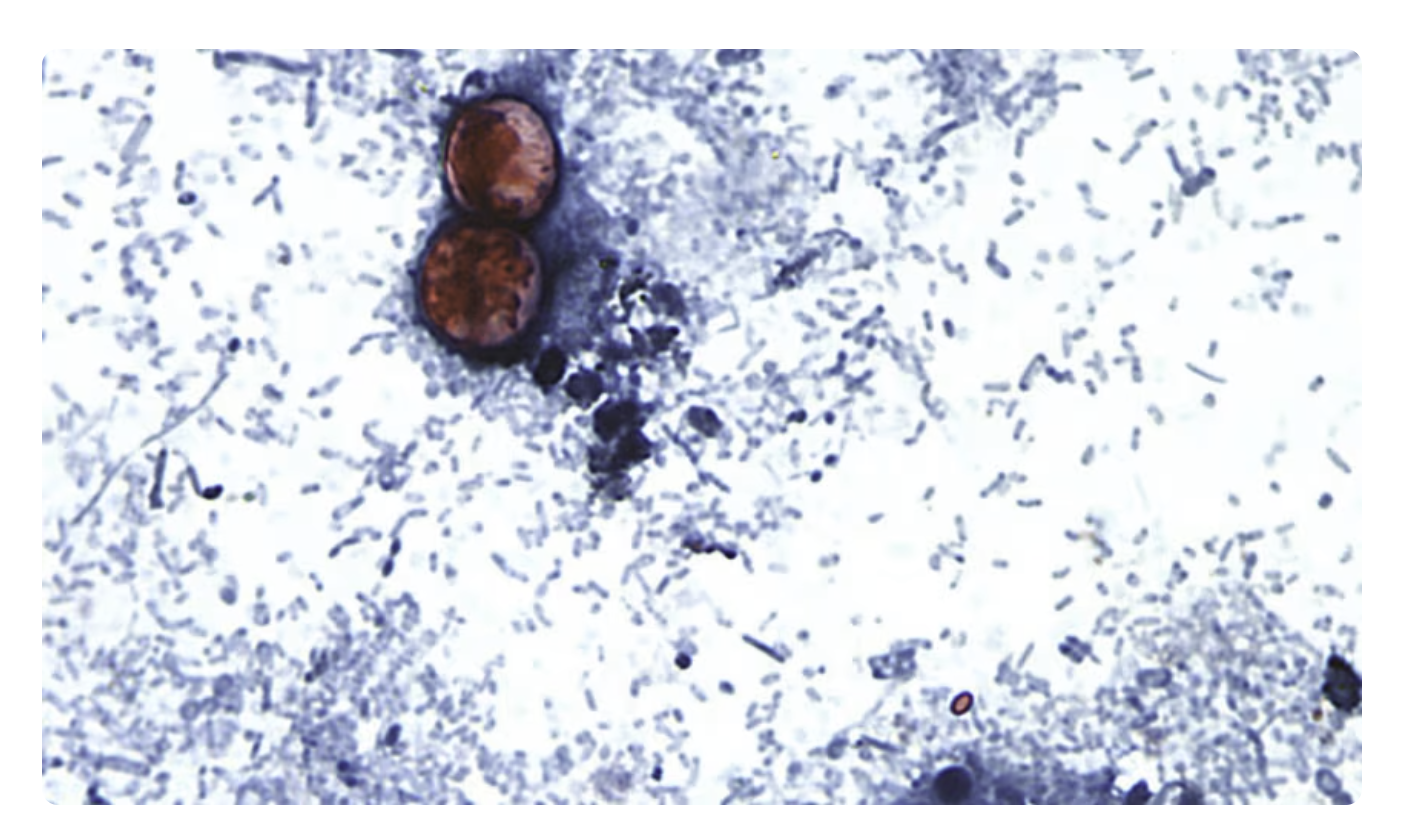
Health officials are tracking a sharp rise in cyclosporiasis infections across the country, with the Centers for Disease Control and Prevention reporting 1,645 confirmed domestically-acquired cases since May 1, plus over 5,100 more under investigation. That’s a significant jump compared to typical case counts in recent years, and it’s the kind of surge that tends to catch people off guard because cyclospora isn’t a household name the way salmonella or E. coli are, despite causing weeks of miserable symptoms.
The outbreak, which originated in Michigan and Ohio, has now been connected to cases in West Virginia and Kentucky as well. The illness causes symptoms like watery diarrhea, cramping, and bloating that can persist for weeks, notably longer than most common foodborne bugs, which is part of what makes cyclospora particularly disruptive even though it’s rarely life-threatening.
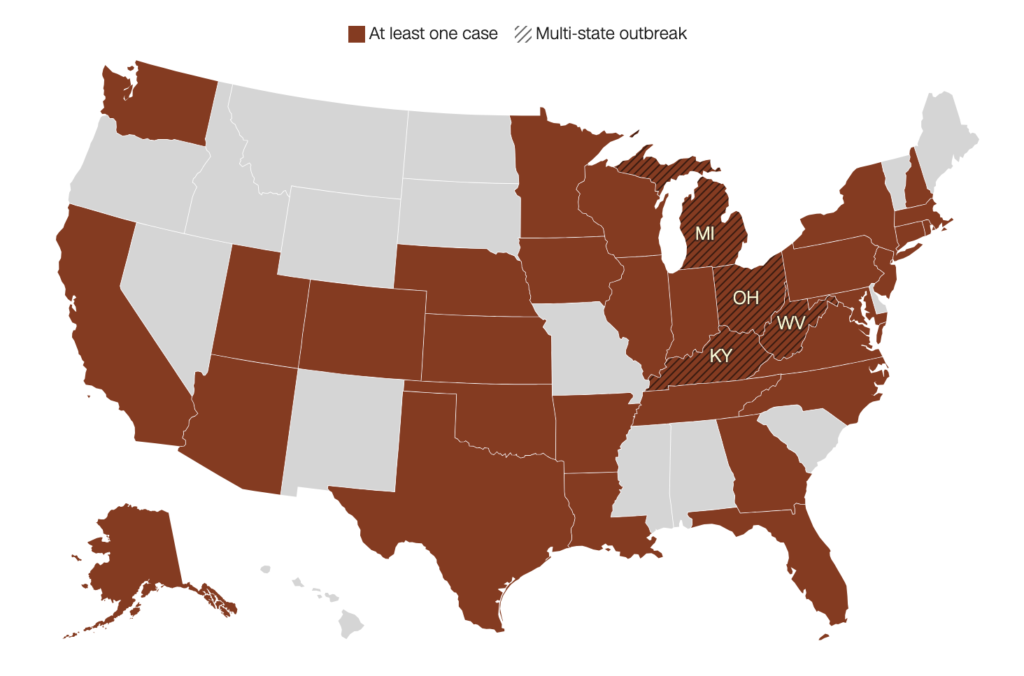
Cases have now turned up in 34 states since the start of May. The CDC says it’s running several parallel investigations, some connected to the larger Midwest cluster, others isolated to individual states, and some cases that haven’t yet been linked to any group.
While cyclospora infections typically tick up during warmer months, this year’s numbers are dramatically higher than normal. Confirmed cases since May 1 are already running at more than six times last year’s pace for the same period, per a CDC health alert. Factor in the roughly 7,000 additional suspected or unconfirmed cases, and the total is 27 times higher than this point last year.
Dr. Gwen Biggerstaff, deputy director of the CDC’s Division of Foodborne, Waterborne, and Environmental Diseases, described the surge as much higher than what officials have seen in the previous two years, calling it a major departure from past seasons.
Roughly one out of every eleven confirmed patients has required hospitalization, though no fatalities have been reported so far, a relatively low severity rate that helps explain why this outbreak hasn’t dominated headlines the way deadlier food safety scares often do.
A separate CDC notice released the same day flagged that at least 400 cases spanning Michigan, Ohio, West Virginia, and Kentucky may be connected, hinting at a possible shared source behind the infections.
Michigan’s health department has documented over 3,300 cyclospora cases tied to this outbreak and has conducted more than 1,000 interviews as part of its probe. Early findings point to lettuce or other salad greens as a possible culprit, though the state hasn’t confirmed a definitive source — no particular produce type, grower, or supplier has been officially implicated yet.
Unlike many illnesses, cyclosporiasis doesn’t typically spread person-to-person; instead, it’s contracted through contaminated food or water, with fresh produce being the culprit in past outbreaks. That’s a useful distinction for readers: washing hands obsessively won’t help much here the way it would with a stomach flu, the real defense is knowing where your produce comes from and how it’s handled before it reaches your plate.
In response, Taco Bell announced it’s temporarily pulling certain ingredients from select locations as a precaution, while stressing that no official link between the chain and the outbreak has been established. The company said it’s cooperating with ongoing health reviews and monitoring developments closely.
For context, the largest cyclospora outbreak on record in the US, per a 2023 USDA Food Safety Inspection Service report, involved contaminated raspberries and resulted in around 1,500 cases. This year’s numbers, if they hold, could end up dwarfing that record entirely.
Source: CNN