
Kevin Keegan dies at 75, his family announced Monday one of English football’s most influential and beloved figures, remembered as a two-time Ballon d’Or winner and the manager who transformed Newcastle United.
A statement from his family
Keegan’s family said he passed away surrounded by his wife and daughters. Their statement described him as a much-loved husband, father and grandfather, and thanked his medical team for their care. They asked for space and privacy during what they called a hugely difficult time.
A player who changed how the game was watched
Keegan began his career at Scunthorpe United before Bill Shankly signed him to Liverpool in 1971. Over six seasons at Anfield he won three First Division titles, two UEFA Cups, an FA Cup and the 1977 European Cup. He then moved to Hamburg, where his performances earned him back-to-back Ballon d’Or awards in 1978 and 1979 a feat only a handful of players in the sport’s history have matched. He later played for Southampton before returning to England for a final playing spell at Newcastle United, where he retired in 1984.
For England, Keegan won 63 caps, scored 21 goals, and captained his country.
The manager who turned a city inside out
Keegan’s second act may be the one supporters remember most. He returned to Newcastle as manager in 1992 and took the club from the second tier into the Premier League, then built the team that mounted English football’s most famous title chase of the 1990s leading for much of the 1995–96 season before finishing agonizingly short of Manchester United.
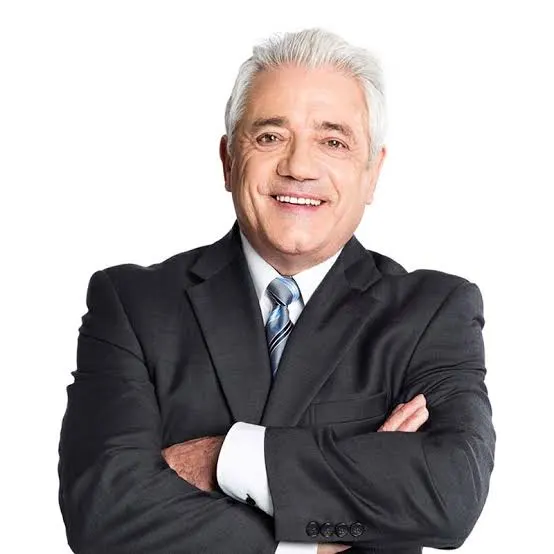
Newcastle United’s tribute called him the beating heart of the club for generations of supporters, crediting him with transforming what people believed the club could become. Manchester City, where Keegan managed from 2001 to 2005 and led an immediate promotion campaign in his first season, called him a transformative manager who brought optimism and vibrancy to the club.
He managed Fulham and later took charge of the England national team in 1999, resigning in 2000 after a defeat to Germany in the final match played at the old Wembley Stadium.
Keegan’s family had first revealed his cancer diagnosis in January, saying he had been admitted to hospital for evaluation of ongoing symptoms before the investigations returned the diagnosis. He began treatment shortly after, and Newcastle United posted its support publicly at the time, writing: “King Kev, we’re with you every step of the way.” In the years since retiring from full-time management, Keegan had largely stepped back from the spotlight, occasionally appearing as a pundit and at personal events, but remained a defining voice on the eras of football he had shaped as both player and manager.
The reaction across football
Tributes arrived quickly from clubs across the sport Monday. Newcastle, Manchester City, and figures throughout English football described him as one of the most iconic and deeply loved figures the game has produced a player whose talent was matched by the way he made supporters believe in what their club could be.
Why this resonates beyond England
Keegan’s career predates the Premier League’s global television deals, so American fans who came to the sport more recently may know him best as a name attached to Newcastle’s modern history or as a commentator’s reference point. But the two Ballon d’Or wins place him among a genuinely small group of players a European Cup, three league titles, and a management career that reshaped two clubs’ identities. He is being remembered as one of the defining figures of English football’s modern era.

