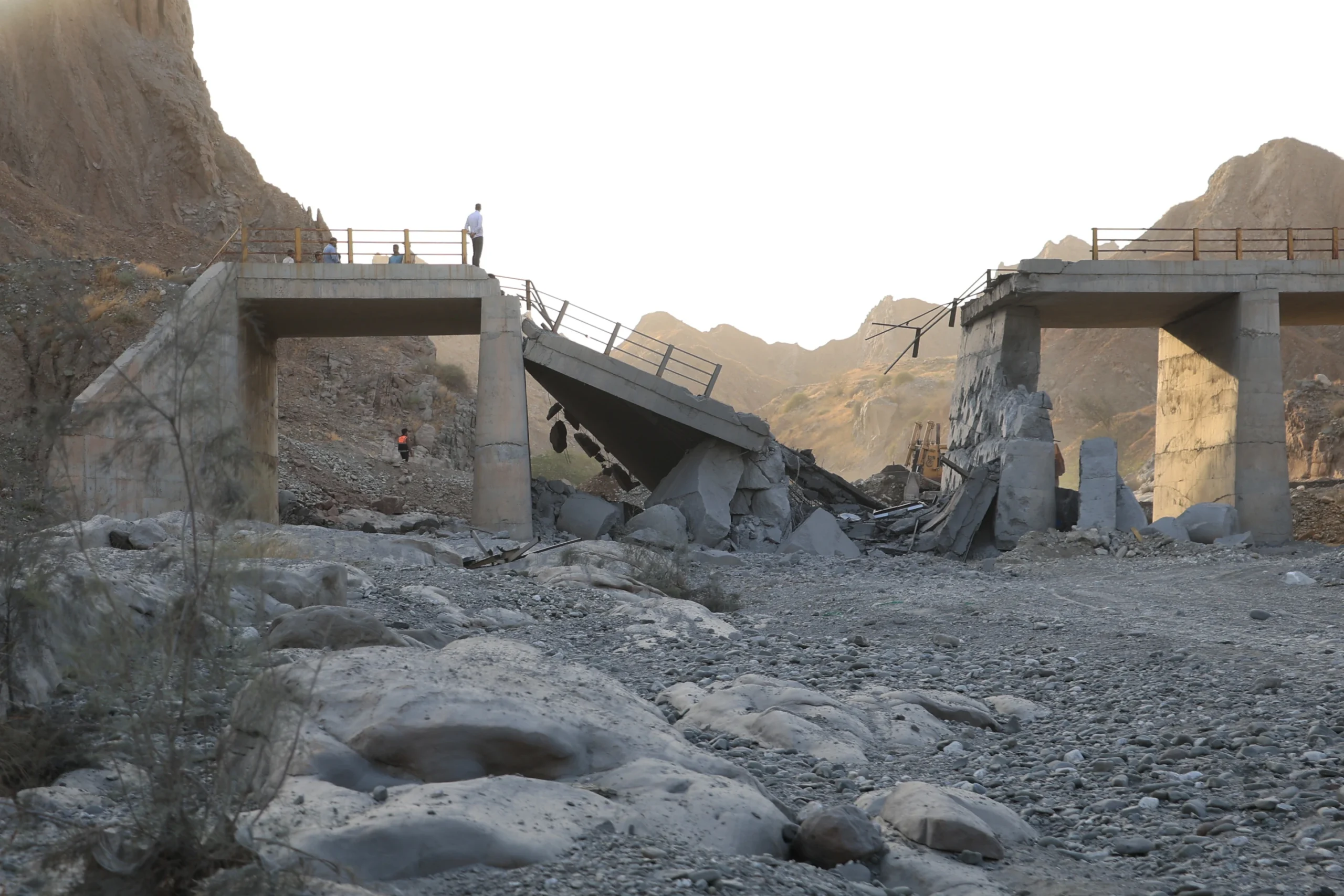
Iran war news turned grim Sunday: a US service member was killed and another wounded, as American forces carried out a ninth consecutive night of strikes against Iran.
The US military confirmed Sunday that a service member was killed and another wounded, as American forces carried out a ninth consecutive night of strikes against Iran. It’s the most direct US combat loss in a war that both sides have technically been trying to end since June and haven’t.
How a “ceasefire” war keeps going
This is the part that’s hard to follow if you haven’t been tracking it daily: the US and Iran signed a memorandum of understanding in June aimed at ending the war and reopening the Strait of Hormuz. They’re still, officially, working from that agreement. They’re also still bombing each other nightly.
Secretary of State Marco Rubio put the contradiction plainly on Sunday: an agreement can’t stay alive, he said, if one side keeps violating its terms. He said the US remains open to diplomacy and that Iran keeps signaling it wants to talk but the strikes haven’t stopped once since the memorandum was signed.
What happened Sunday
CENTCOM said US forces struck Iranian targets for the ninth straight night, part of a pattern that intensified after Iranian forces attacked commercial ships in the Strait of Hormuz on July 6-7. In addition to the American casualty, Jordan’s army reported three Iranian missiles landing in multiple locations, and Kuwait’s military said it was repelling missile and drone attacks. The IRGC claimed it intercepted four ships in the strait. The International Atomic Energy Agency said it was looking into a reported strike on an Iranian nuclear site still under construction.
The US response includes reinforcement, not just retaliation: American officials confirmed F-16s from Germany and F-35s from the UK are being sent to the region, adding to the roughly 50,000 US troops already stationed across the Middle East.
Why the strait keeps being the flashpoint
Iran wants control over who passes through Hormuz and on what terms the current fight traces back to Iran trying to enforce its own routing rules on international shipping, which the US and its allies have refused to recognize. About a quarter of the world’s seaborne oil trade and a fifth of global LNG normally moves through the strait. Before the war, roughly 110 ships transited it daily; that number has been running closer to a dozen in recent days, according to MarineTraffic data cited by CNN.
The bigger picture most coverage skips
The war has now run nearly five months, well past the four-to-six week window Trump initially suggested. Britannica counts 17 US service members killed since it began Sunday’s casualty adds to that toll. Wikipedia’s running tally of the strait crisis alone (a subset of the wider war) lists a sunk tugboat, at least 17 damaged merchant ships, two captured vessels, and 12 seafarers killed or missing.
And the human cost isn’t confined to the Gulf. The Associated Press reported Sunday that Nigerian children are going hungry as the war disrupts trade routes and pushes up food and fuel costs thousands of miles from the fighting a reminder that a war fought over a shipping lane doesn’t stay contained to the region it’s fought in.
Why Americans should care beyond the headlines
This isn’t a distant flashpoint anymore a US service member died Sunday, American fighter jets are being redeployed from Europe, and the strait that’s driving all of it carries roughly a fifth of the world’s oil and gas. Every disruption there shows up eventually at the pump and in shipping costs at home, on top of the direct cost in American lives.